I’m making a commitment to listen to more new music this year, trying especially hard to check out plenty of albums that are released in 2026. So far it’s a bit tough because 2026 is still young and not many new albums have come out yet, at least not ones that have crossed my path. On Instagram all the millennials (myself included) have been sharing pictures from 2016, like we don’t want this year to start, giving ourselves little spoonfuls of nostalgia to help swallow the new year’s bitter taste. In a way, it’s worked on me – I don’t really feel like this year has started yet while I’m also keenly aware of how much of it has already gone by.
2016 was an excellent year for music, or at least my 22 year old self thought so, and my 32 year old self can now confirm. A sampling of albums from top artists in 2016:
Malibu – Anderson .Paak
Blackstar – David Bowie
Anti – Rihanna
(The above was all just in January of 2016! Imagine!)
The Life of Pablo – Kanye West
Untitled Unmastered – Kendrick Lamar
Lemonade – Beyonce
Views – Drake
Blonde – Frank Ocean
A Seat at the Table – Solange
24k Magic – Bruno Mars
Anohni, James Blake, Kaytranada, Chance the Rapper, Blood Orange, St. Paul and The Broken Bones, and Lizzo all had projects that I listened to on heavy rotation by myself or with my friends, and there were dozens of other albums released that year with songs that I adored. There was a sense that these artists who were not at the top of the charts (though Lizzo would become a chart-topping superstar not long afterwards) were informing the work of the heavyweight, big label artists from the list above. The superstars often felt like they were still creating art and making money, pushing their craft to the limit, not just releasing an album that felt more like a “product” cooked up by a marketing agency. Many of them were collaborating with artists making more experimental work; these days it seems like they’d hire a producer to make a cheaper sounding facsimile of something bubbling up from the underground instead.
It felt like the artists who commanded the most attention still had to respect and work with those who were pushing boundaries on the outer fringes of commercialized music in order to stay relevant. Now, with relevance fractured into a million different screens and algorithms, playing it safe seems to be the name of the game. I have a strange optimism for this year, though, despite its sleepy start; I don’t think it will match 2016’s relentless artistic energy, but I think maybe we will all get going on the arduous process of learning how to collaborate with and pay close attention to each other like we used to do, however imperfectly.
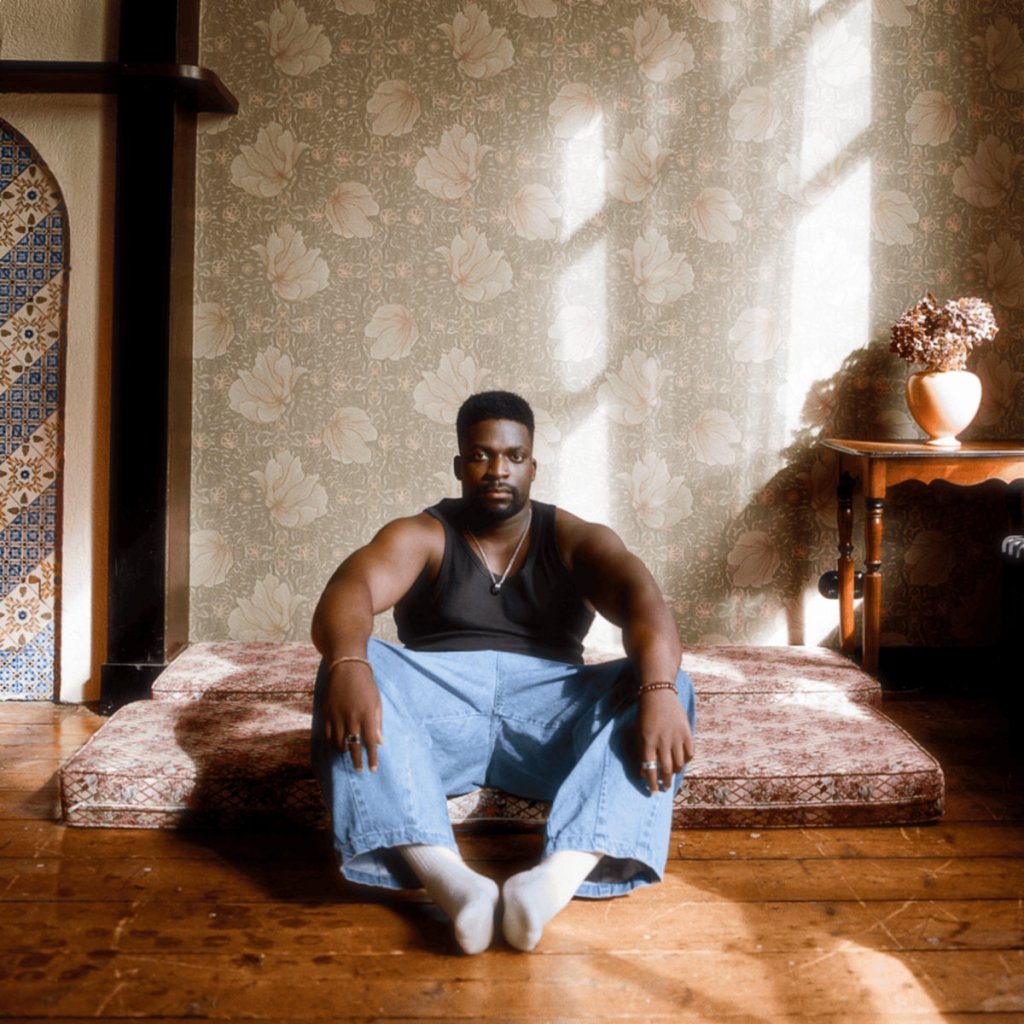
So ok, I haven’t found an album from these first couple of weeks in 2026 that I love just yet. But this album, released November 21, 2025, feels recent enough that it still bursts open with the potential of all the people who have not yet heard it and need to listen. What a thrill! Satiny, melodious dance music of the lower tempo, organic percussion variety, with a tailor’s eye for how it all gets sewn together. The influences span wide to several corners of the African diaspora, and what’s most impressive is how smooth it feels; flawless transitions between tracks, new instruments gliding in and out, none which poke out more than they should. It’s like a perfectly laid out dinner table right before everyone sits down to start eating, a complete delight of the senses. I highly recommend that you put this on while dancing around the house doing chores, but I also hope you’ll go out and hear it a big club somewhere — it’s an album equally comfortable in both settings.
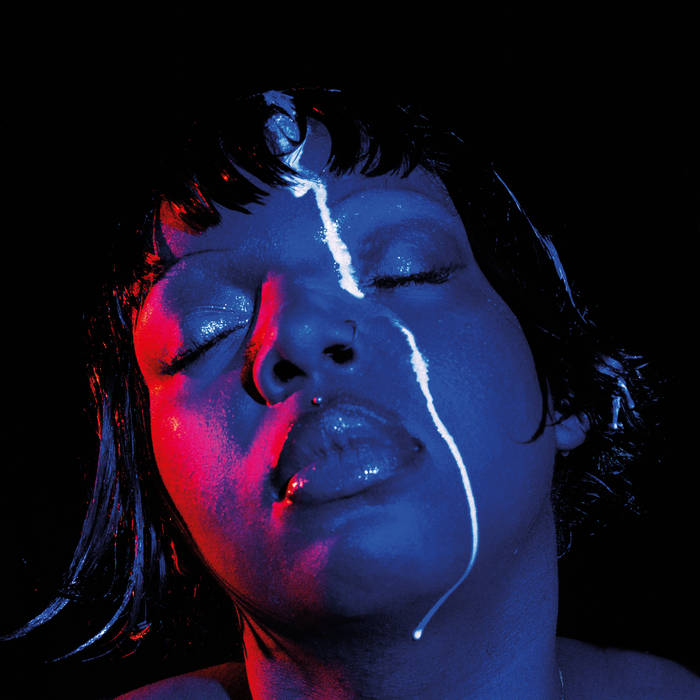
Finally checked out keiyaA’s album from a few months ago (late October, to be exact), and it really delivers. What I think I like most is how self-contained it is, how you can hear her production fingerprints so clearly all over it, her particular sense of rhythm and harmony. Drum machines skitter rather than slam, samples are fuzzed out and synths sit, anxious, in the background, beneath the plentiful layered vocals. Some of the melodies have the haunting quality that truly beautiful melodies can have, and are delivered with that frank, direct motion that jazz-trained singers seem to have mastered. If the S!RENE album above is for dancing around your kitchen, this album is for when you want to be thrown off your axis a little bit and feel joined to someone else’s, like you just discovered that the world was able to spin in a new direction. It’s a cool album but not cold, the emotion kept at a distance but still felt deeply. Well worth many listens!
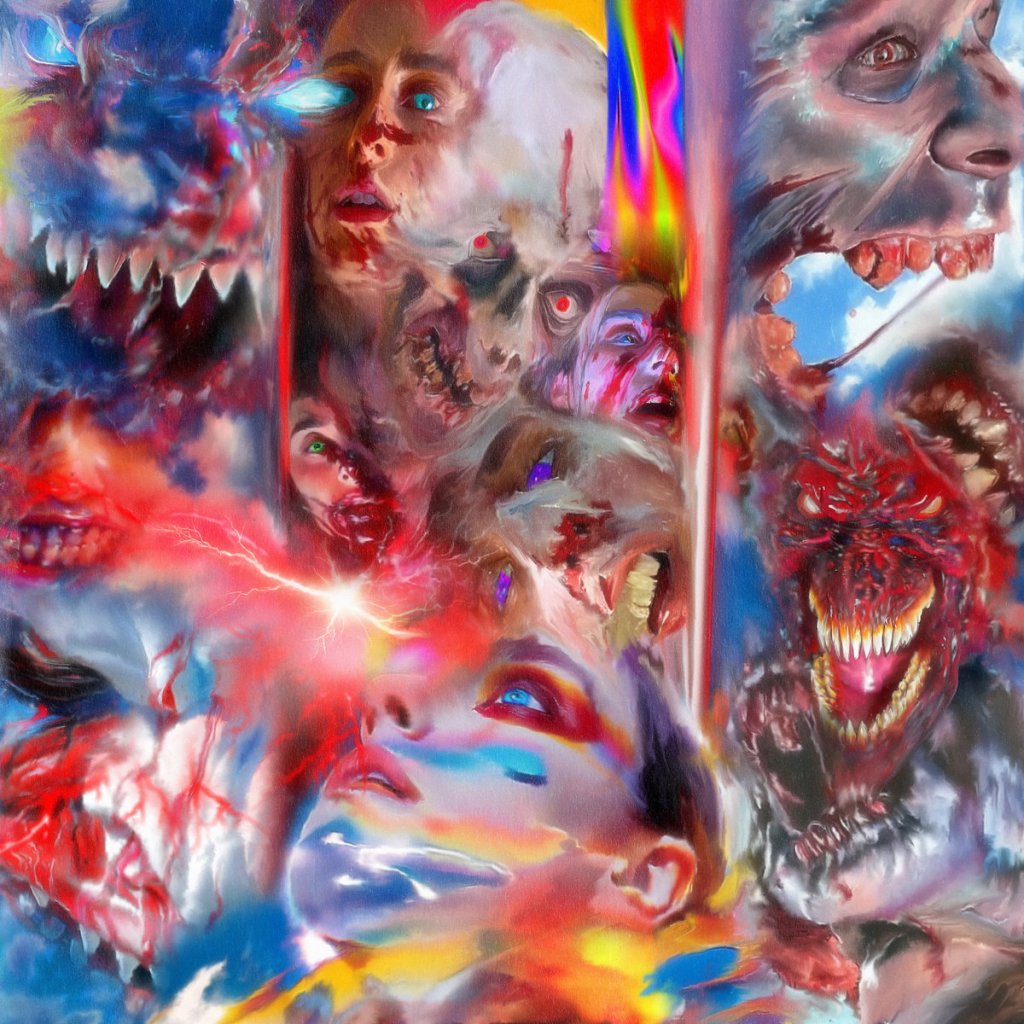
This is for the really maximalist sickos. Just an all out, high energy dance art piece. We’re on the more frenetic end of the BPM range for the most part, and every song has a little something that hints at double-time, speeding up your sense of self even more. If you have an itch in your brain that can only be scratched by intense rhythm, or if you grew up listening to a lot of The Prodigy and The Chemical Brothers like I did, check this out right now.
Sound Within Sound: A Radical History of Composers in the 20th Century – Kate Molleson
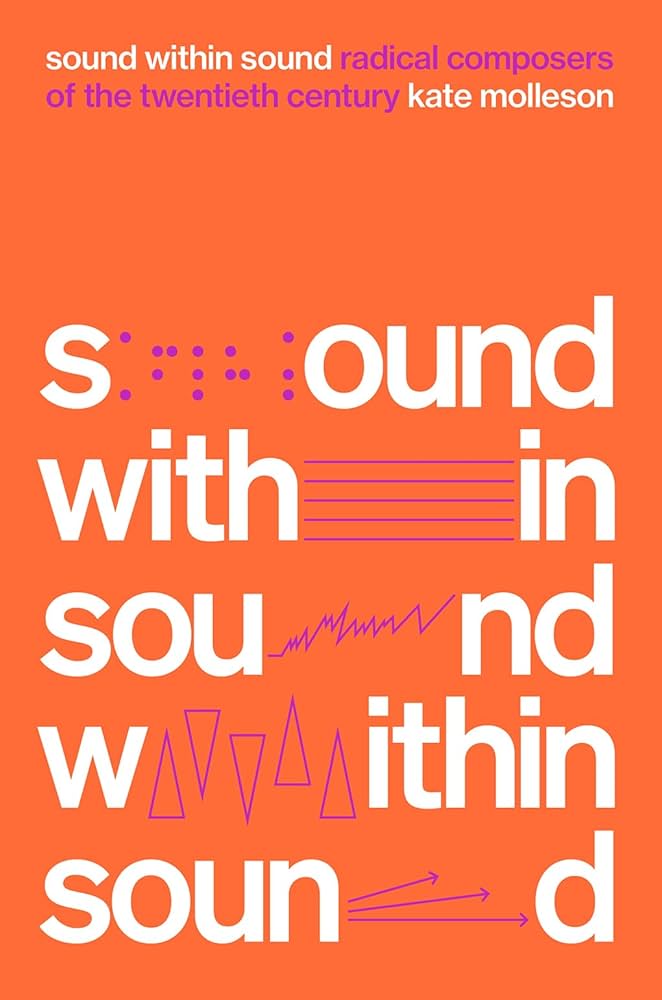
I finished this book a couple months ago but never got around to writing about it, and then I gave it to my grandmother for her birthday because I didn’t really know what else to get her (and, to be honest, I thought she might really like it – she always loved classical music, though opera is more her speed than experimental composers). So I don’t have a copy to reference now, but I will just say that if you are fascinated by the movement of culture and the personalities of people who feel compelled to stretch our understanding of what art is meant to do, then I think you’ll like this book. I found several parts very meaningful, and what I remember most of the biographies is how often composers (more often the women included here) would have to put their ambitions on hold for 10 or 20 years to have a baby, or worship a god, or flee political persecution, and then they would come back to it after all those years and find some part of themselves that they had long ago put to the wayside, reawakened. The thought of coming back to a version of yourself that you cast off so that you could better serve those around you, coming back to that part of yourself after decades, was deeply moving to me. And there’s plenty of other fascinating, well researched tidbits about the crop of very interesting composers in here, and many many many pieces to hunt down recordings of. So yeah, if you like classical music even a little bit, or just experimental musicians, pick this book up and listen to some composers who you might have otherwise never heard of. It’s really worth it.
Other odds and ends:
This cover of Godspeed by Mavis Staples was so moving, and also highlights just how timeless a song this was when Frank Ocean wrote it back in 2016. More artists covering the songs of other contemporary artists! More cross-generational music collaboration of all types! Please!
The WEIRDness of Experimental Music: The Reproduction of In/Difference
If you’ve been paying attention to the pious, minimalist “experimental” music industry like I have, read a little bit of this – it was really nice to see someone call out how the aesthetic choices of the musicians and festivals are tied up in a very flawed system of morality that venerates those choices and the white, western thinking behind them as morally superior. Personally I need noise as much as I need quiet, chaos as much as tasteful carefully placed arrangements. I didn’t love the writing in this article at all times but the points needed to be stated and I very much appreciate that work.
 a breath of life
Say hi!