I’ll be honest, I’ve been in a bit of a lull. A rut. Not a lot that’s feeling inspiring lately, artistically or otherwise, which is not surprising given the death and destruction and state violence happening daily, here and around the world. I’ve been spending a little too much time on Instagram while andie’s away for a few weeks, and I’ve been chewing over this quote I saw yesterday:
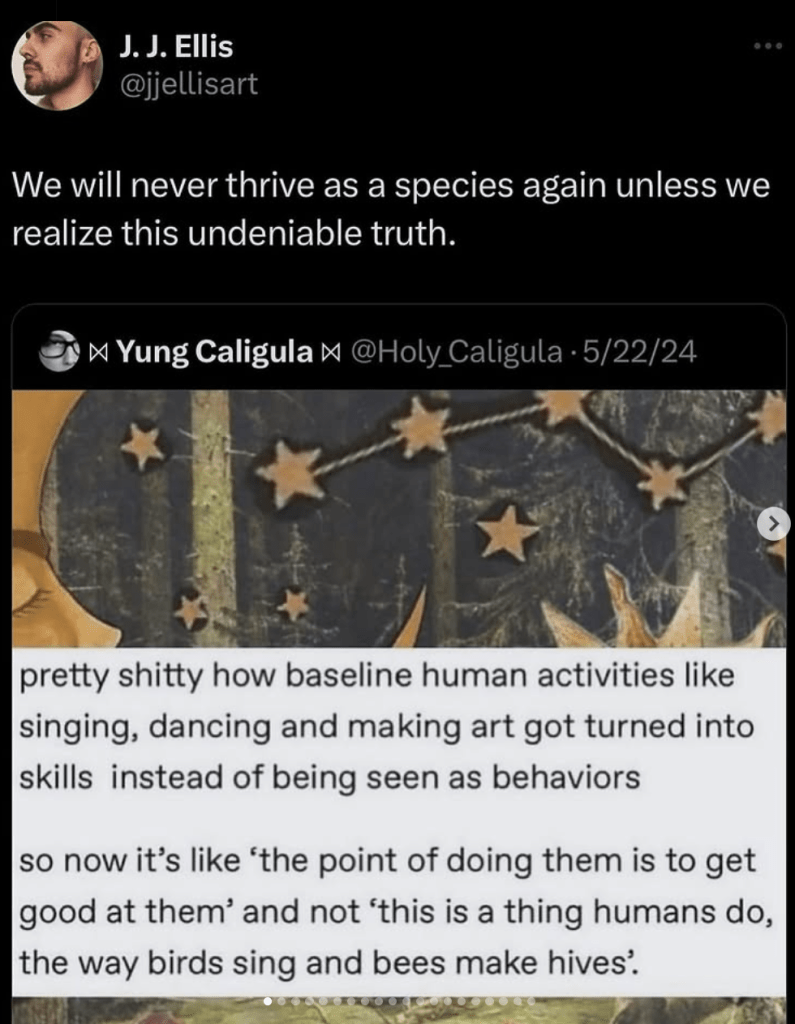
Normally an instagram post of a tweet that’s quote tweeting another tweet that’s just a screenshot of a quote is how I know I’ve gone too far down the rabbit hole of the internet – it’s like getting advice from your friend’s sister in law’s cousin’s nephew, far too removed from the source to be of much use. But the quote above is so broad that it still works, and it coincides somewhat with theories of posthumanism and queer negativity I’ve been reading in another book (the name of which I’ll wait to mention until I’m done with it and can write a review here). I want to stop trying to get good at things, and instead just do the things. If I get good at them, fine. The main point is that I want to remember to make art or write or stare at the ceiling for the sake of the thing itself and not an improvement of my abilities, which is such a blatantly capitalist notion that it must have been planted in my head by Henry Ford or John D Rockefeller themselves.
(I told myself the point of this blog was to practice writing – and ostensibly, to get better at writing through that practice. Hah! Fuck me. Anyway, I really think I just need a place to write and address an audience, to share ideas, to feel a responsibility to share what I love, or at least what I encounter and engage with).
Hyperphantasia – Sara Deniz Akant
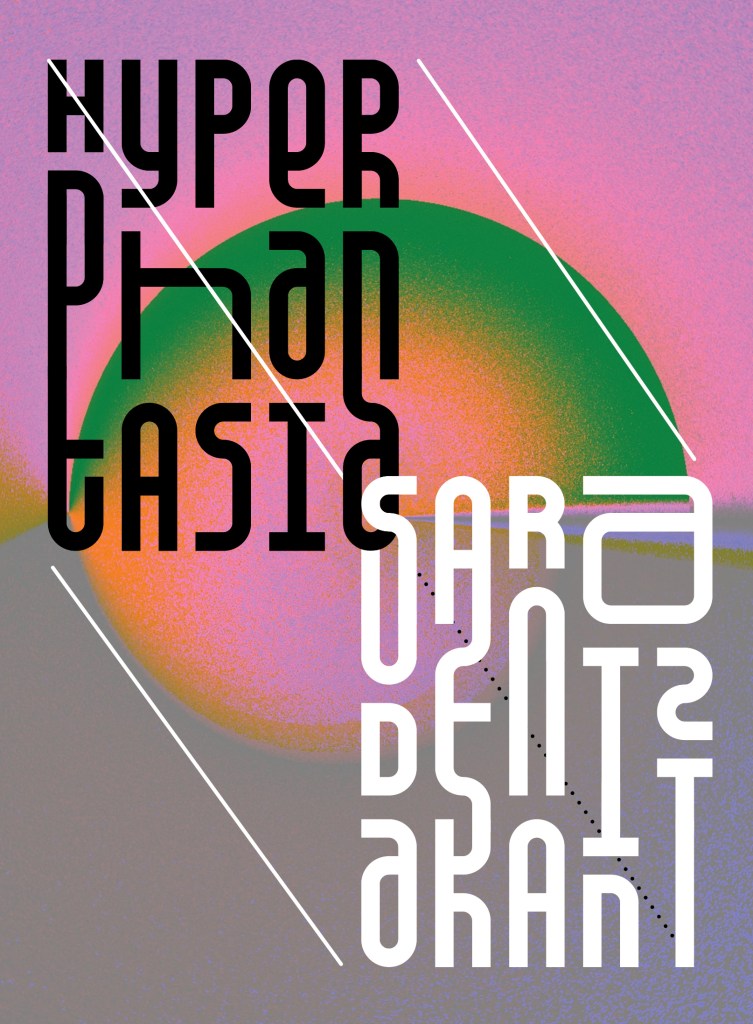
This is the first poetry book I’ve really read in a while. andie and I have been talking about poetry books disparagingly lately. At one time it must have seemed like a really fresh, great idea to take a bunch of poems and bind them together so they could all be read at once, in order. But right now it seems beyond stale. Old definitions of artistic work are losing meaning under late stage capitalism, like musicians calling any collection of songs either an EP or an album or a mixtape depending on what the marketing executive at their label thought was a good idea at the time. A poetry book is an effort to take something of power, something that can transform your entire being & sense of self (a poem!) and put it into a form that can be sold for $18.00 (ew!).
Still, sometimes you gotta read a poem, and sometimes you happen to have a bunch of poetry books. andie recommended this one and I admired many things about it, including the directness of the language;
“What’s that Nike line again? Impossible is nothing? Doesn’t seem too hard. I’m happy to erase my name in order to ‘become’.”
I don’t know why conversationality always seems the most direct to me, especially lyric conversationality. And why does a randomness of thought, many juxtapositions of ideas and images, seem most lyrical to me (though the quote above is maybe not the best demonstration)? Can something be lyrical and grind itself into dust on the same ideas? At this moment I’m not sure, though I bet the answer is yes. Mostly this book of poetry made me want to read more poetry, especially in the mornings when language has not yet destroyed my day. The madness of a charged image is invigorating, like a splash of cold water on the face.
Shrine Dance – Brice Wassy
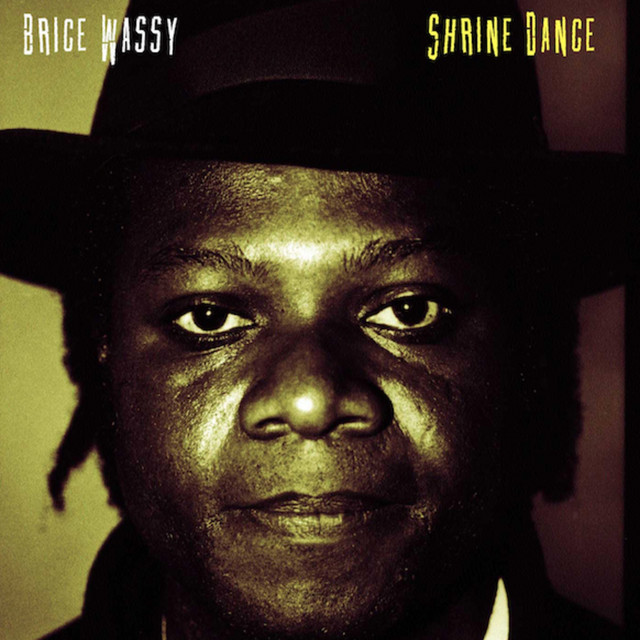
The percussionist José “Changuito” Luis Quintana passed away recently, and I saw some folks posting about his passing and legacy. I knew nothing about him so I went to learn more and listen, and somehow I ended up on this Brice Wassy album from 1997; I believe they worked together but it doesn’t seem like José is on this album.
I threw “Shrine Dance” on the other day while doing some chores and really loved it; adventurous and inspired rhythms, everything has a drive and a force like it’s meant to be there. Some jazz albums have been sounding timid lately, like folks are afraid to be too much. “Frenet – No More War” has a driving, demanding drum and bass collaboration at its center, with a syncopated gang vocal & trumpet in unison, sometimes splitting briefly to a harmony, carrying the fight song along. “Ta Kish” experiments with a layered spoken word and percussion that would feel cheesy if it weren’t so well executed. This album just sounds great, too – everything was recorded well, it feels so present. Once again, it is not shy! God damn, I am tired of shy albums! If you like rhythm, this is a wonderful exploration of what can be communicated with drums.
 a breath of life
Say hi!