The Age of Loneliness – Laura Marris
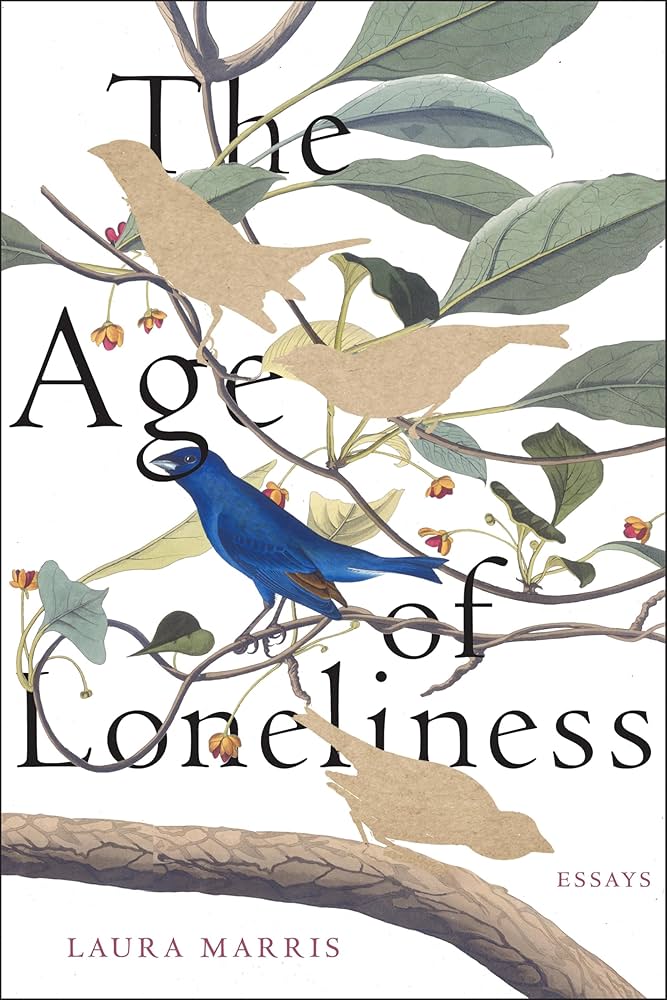
I read this book hungrily, with plenty of impatience. I’ll admit that part of my hunger was caused by the descriptions of her relationship that were peppered throughout, and I thought the book might describe the author’s breakup with this man, and I wanted to see the relationship end. It sounds nasty when I write it out (lately, a lot of what I write has felt overly nasty, too cynical), but I guess here’s where I figure out that I’ve been feeling like I want all boring straight relationships to end. The relationship, as described, seemed lifeless to me; to root for the end of what is already gone must not be so bad, right?
It might be hard to find a writer who can convey the urgency of ecological crisis in their style, and not just their content. There’s much presented here (besides the relationship) to be alarmed about; I was struck by the news that the number of birds in our world are declining massively, including species’ that we think of as widespread and abundant. The human reliance on the horseshoe crab’s blue blood for healthcare testing was covered in depth, but this I’ve read about several times in several different ways, which doesn’t negate its importance but made me a little bored. I’m looking for someone to not just point at each bad thing and describe it in detail. I’m looking for a way through, I think, and not just an introduction to the scope of how bad things are.
Ok, let’s get to the root of it. Here’s a white writer who lives in upstate New York (Buffalo, to be exact), a cultural archetype I am more familiar with than I’d like to be. She writes, her husband makes art. The description of the first artwork of his that she saw made me groan. It involved a single tardigrade on display. Tardigrades are such easy fodder for wonder; if you asked a child to draw an image of a scary alien, they might draw something that looks like a tardigrade. They’re tiny, microscopic, could be right under us and we wouldn’t know! Also known as water bears or moss piglets! Almost completely invincible to many conditions that would easily kill a human! This is what I’m bored by; I have already wondered at the tardigrade and all its extremes, and I don’t think we need to find the most extreme cases to make any points about what we’re doing here as humans. It’s all so philosophical, in the 101 kind of way, so making a point by journeying to the furthermost edges of the earth.
andie and I have been talking about sense making. We know it can’t all make sense to us, right? We can never understand it all? Why don’t we leave a little mystery in the writing! Just like there is in the world! These essayists, sometimes they just want everything to make so much sense. And they pull out the tardigrades and the horseshoe crabs to do it.
With my gripes out of the way, I can say that I still got things from this book. I thought more deeply about the superfund sites in New York, looked at the EPA’s map and learned about one in andie’s hometown. I thought about the current dismantling of the government, how all the work the EPA has done, however flawed, will now cease. How that will result in us all, in the US, dying earlier than we should.
I’m glad we’re focused on the environment, on what the loss of other species means for us and for them. It means a lot. It means the world. On the other hand, I need more urgency. I need us to abandon our stability, our cozy jobs, our endless suffocating guilt. I need something more than this from both our actions and our writing.
Annotations – John Keene
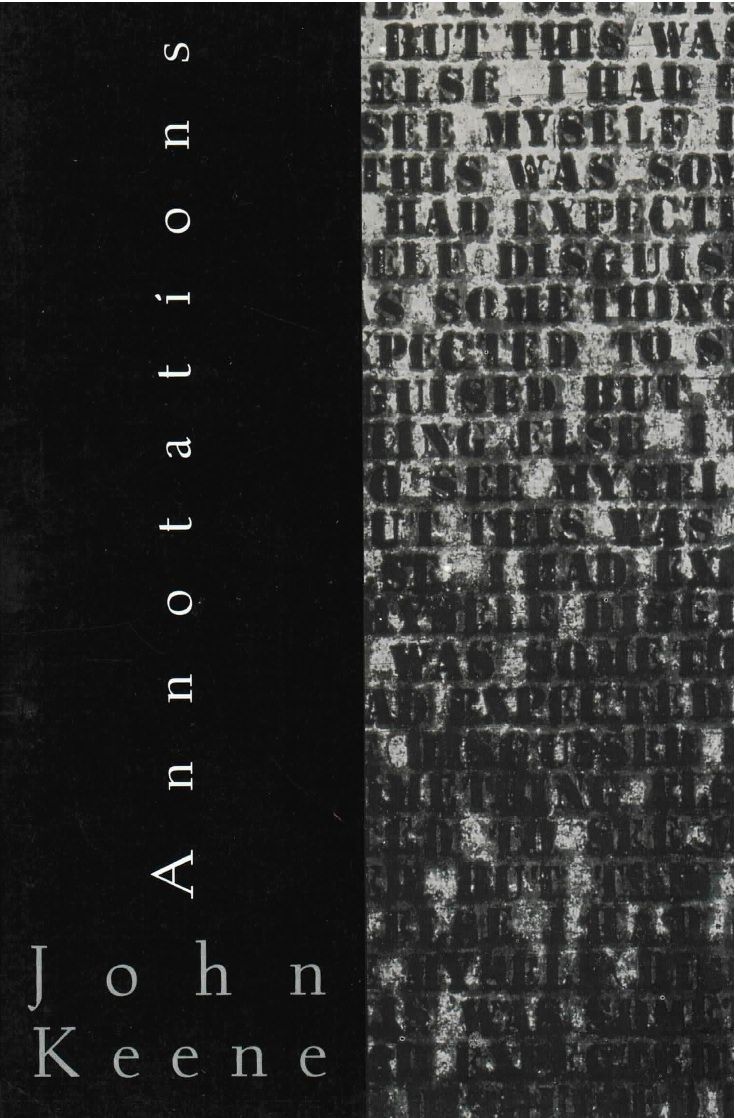
A beautiful book, pure nostalgia and invention. If anything, a little overwrought, like an iron gate with more ornamentation than the property it guards.
At first I thought the book was cheekily annotated, making the work metafictional. I saw blue underlines and short notes and thought that was part of the whole thing. But halfway through reading it, andie informed me it was not that kind of book, and the printers would never pay for blue ink, and I looked reviews up on Goodreads to confirm and felt a little silly. That’s how I know this book was magical, though; it could do anything and I would play along.
Every sentence is crafted with the meticulous detail usually reserved for poetry. I’ll pull one out at random here to demonstrate:
“Most winters pinched the flesh like pincers, yet a few hacked through the bones like scythes.”
Everything works first on an auditory level and so it can cast its spell, much like music. Maybe I’ve been wanting more music in my literature lately, so I very much loved getting to read this.
 a breath of life
Say hi!